Software Choices Shaping Live Experiences and Reward Opportunities in Finland's Gambling Market
Kirjoittanut Jonas Roth · 20.8.2026
Software Choices Shaping Live Experiences and Reward Opportunities in Finland's Gambling Market
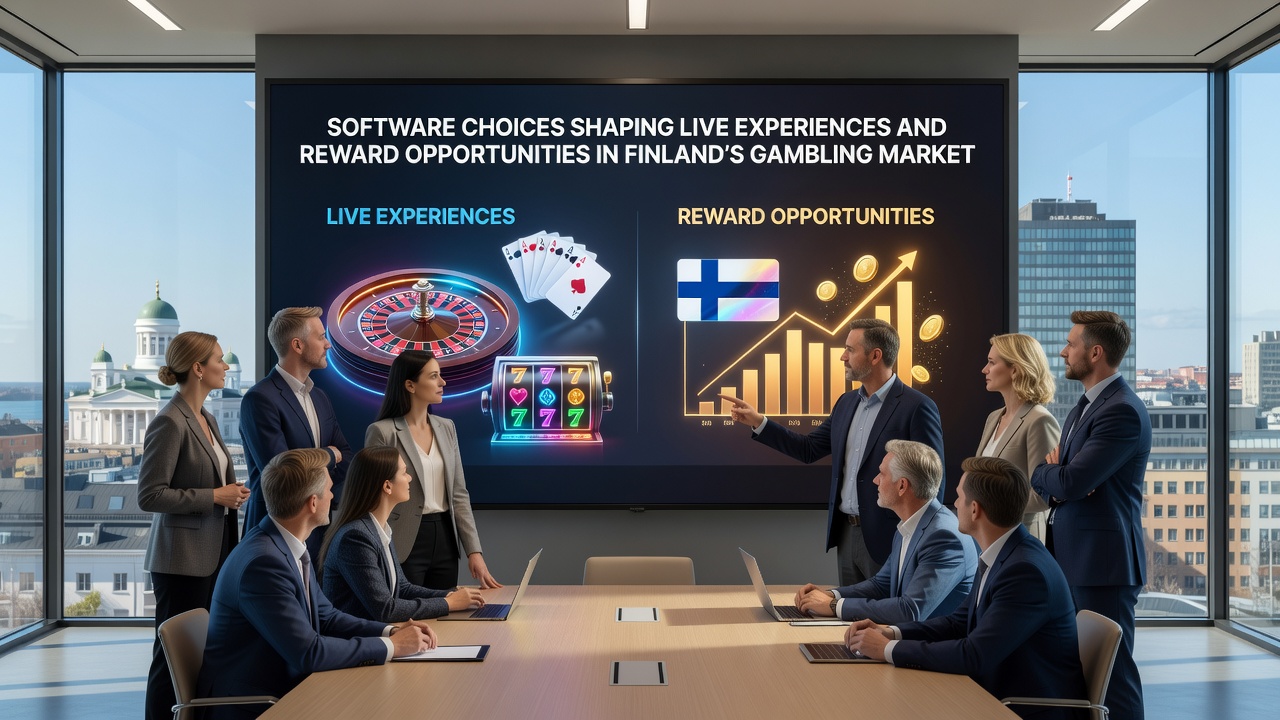
Finland maintains a state-controlled gambling framework through Veikkaus while international software providers continue to influence live dealer formats and bonus structures available to Finnish players, and data from industry reports indicate that platform selections directly affect streaming quality along with reward delivery mechanisms.
Platform Selection and Live Dealer Integration
Software developers such as Evolution Gaming and Playtech supply the core infrastructure for live casino tables that Finnish operators integrate into their sites, and these choices determine camera angles, dealer interaction speeds, and multi-language support that players encounter during sessions. Studies conducted by Nordic research groups show that platforms optimized for low-latency connections reduce dropouts during peak evening hours, which in turn sustains longer engagement periods across roulette and blackjack variants. Finnish users often access these environments through desktop or mobile interfaces, and the underlying technology stack influences how smoothly card shuffles register or how chat functions perform without interruptions.
Reward Mechanisms Tied to Software Architecture
Bonus systems and loyalty programs in Finland draw heavily from backend software that tracks player activity in real time, and providers like NetEnt or Microgaming embed tools that automate cashback calculations based on wager volumes. Figures released by the European Gaming and Betting Association reveal that integrated reward engines can process thousands of transactions per minute while maintaining compliance with local tax reporting requirements. Those who examine deployment logs note that certain platforms allow operators to layer progressive jackpots onto live tables more seamlessly, creating additional prize pools that accumulate across multiple gaming sessions without manual oversight.
Observers tracking market patterns point out that Finnish players frequently encounter tailored promotions such as deposit matches or free spins triggered by software algorithms calibrated to regional preferences, and these features appear more frequently on systems built with modular APIs that connect directly to payment gateways used in the Nordic region.
Regulatory Context and August 2026 Developments
Upcoming adjustments scheduled for August 2026 in Finland's gambling oversight framework emphasize stricter standards for live streaming encryption and reward transparency, and software vendors have begun updating their compliance modules to align with these expectations. Reports from the Finnish Ministry of the Interior highlight that platforms must demonstrate verifiable audit trails for all bonus distributions by that date, which pushes operators toward providers with established certification records from multiple jurisdictions. Data compiled by academic teams at the University of Helsinki indicate that earlier transitions to updated software reduced reported discrepancies in prize allocations by measurable margins, suggesting similar outcomes may follow the 2026 rollout.
Technological Factors Influencing Player Retention
High-definition video feeds and augmented reality overlays represent recent additions that some software houses offer for live experiences, and Finnish operators evaluate these features based on bandwidth demands within the country's network infrastructure. Research from Canadian gaming analytics firms shows that retention rates climb when reward notifications appear without disrupting ongoing table play, a capability that depends on how cleanly the software separates front-end displays from backend accounting processes. Players in Finland therefore encounter different reward frequencies depending on whether an operator selects cloud-based or on-premise hosting solutions, and connection stability remains a deciding element during extended live sessions.
Case examples from other European markets demonstrate that switching to more advanced software stacks often correlates with increased participation in live tournaments, while reward structures become more granular through personalized targeting modules. Finnish operators apply similar logic when reviewing annual platform contracts, focusing on metrics such as average session duration and bonus redemption rates rather than isolated feature lists.
Conclusion
Software decisions continue to define the boundaries of live interactions and reward accessibility within Finland's gambling sector, and ongoing updates through 2026 will likely reinforce the link between technical capabilities and operational compliance. Industry data consistently connect platform quality with measurable differences in player activity patterns, underscoring the role of vendor selection in shaping available experiences.