Regulatory Shifts Guiding Payment Solutions and Promotion Strategies Among Finland's Digital Gambling Participants
Kirjoittanut Nils Hansen · 30.8.2026
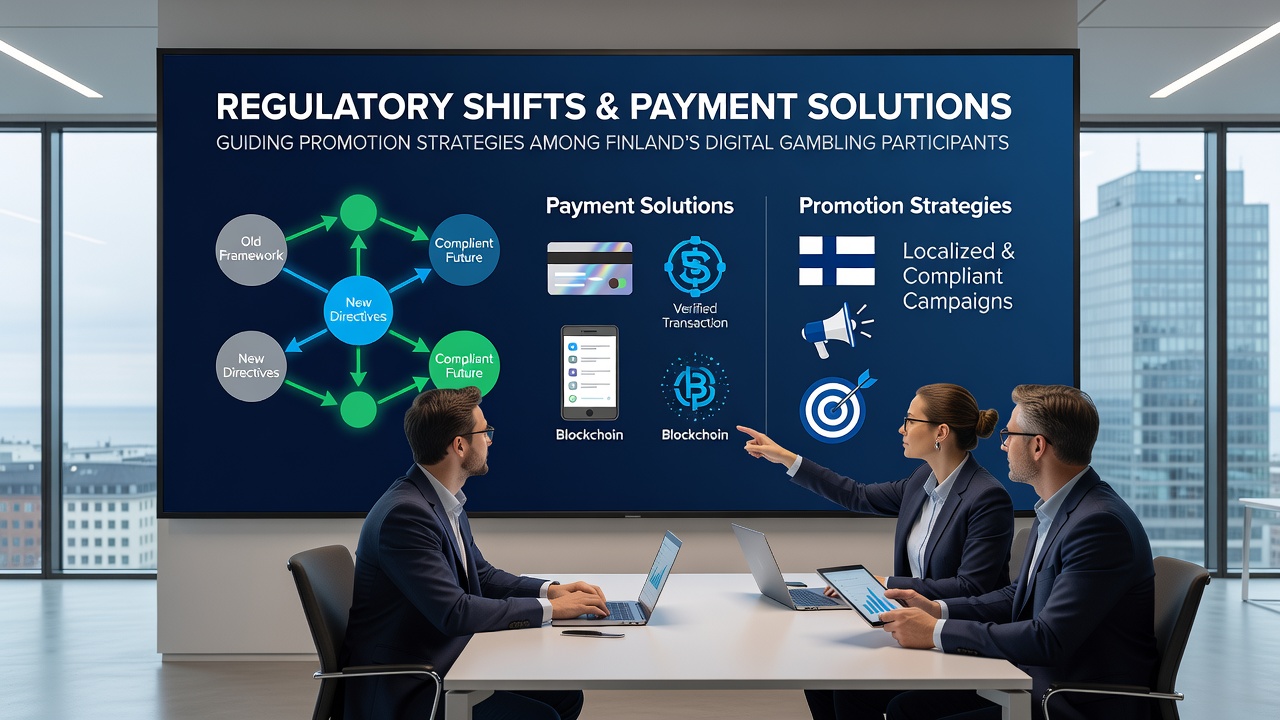
Regulatory Shifts Guiding Payment Solutions and Promotion Strategies Among Finland's Digital Gambling Participants
Finland maintains a state monopoly through Veikkaus while facing ongoing adjustments driven by EU directives and national policy updates, and these changes directly influence how payment processors operate alongside promotional activities in the digital gambling sector. Observers note that legislative amendments have targeted transaction methods to enhance consumer protections and channel activity toward licensed operators, creating ripple effects across banking integrations and bonus structures.
Key Regulatory Developments in the Finnish Market
Amendments to the Lotteries Act have introduced stricter oversight on cross-border transactions since the mid-2010s, with further refinements scheduled to take effect in August 2026 that will require enhanced verification for international payment gateways. These updates build on existing frameworks that already mandate age verification and transaction monitoring, while data from regulatory filings show increased scrutiny on third-party processors handling deposits and withdrawals for participants accessing offshore platforms.
European Union guidelines on consumer rights and data protection have prompted Finnish authorities to align national rules with broader standards, resulting in requirements that payment solutions incorporate real-time fraud detection and limit anonymous funding options. Researchers at institutions tracking Nordic markets have documented how these measures correlate with shifts in user behavior, particularly among mobile users who favor instant bank transfers over traditional card methods.
Payment Solutions Under New Constraints
Banks operating in Finland have implemented blocks on certain high-risk gambling transactions following directives from the Finnish Financial Supervisory Authority, and this has pushed digital gambling participants toward approved domestic channels or alternative e-wallets that comply with traceability rules. Payment providers now integrate API connections that flag patterns associated with excessive play, allowing operators to pause promotions until compliance checks clear.

Studies from the European Commission indicate that similar payment restrictions across member states have reduced unauthorized flows by measurable percentages, and in Finland the August 2026 timeline will extend these controls to include mandatory reporting on promotional credits tied to deposits. Participants have adapted by using services that support instant verification, which in turn shapes how operators structure time-limited offers and loyalty rewards.
Adjustments to Promotion Strategies
Advertising and bonus regulations now emphasize transparency regarding wagering requirements and withdrawal conditions, compelling operators to redesign campaigns that once relied on high-value sign-up incentives without clear eligibility criteria. Finnish participants encounter fewer pop-up promotions as a result, with platforms instead highlighting responsible gaming tools integrated directly into the payment flow.
Industry reports compiled by Nordic research groups reveal that operators have pivoted toward personalized promotions based on verified transaction histories rather than broad email blasts, and this approach aligns with upcoming rules that will cap bonus values linked to certain payment types starting in August 2026. Those who have examined market data note corresponding changes in how welcome packages and reload offers are presented to ensure they meet disclosure standards.
Market Responses and Participant Adaptations
Digital gambling participants in Finland have shown increased preference for platforms that streamline compliant payments while delivering targeted promotions, and this pattern emerges clearly in transaction volume statistics released by payment processors. Operators respond by forming partnerships with banks that offer gambling-friendly APIs, enabling smoother integration of promotional funds without triggering additional regulatory flags.
According to findings published by the European Gaming and Betting Association, regulatory alignment across borders encourages operators to standardize promotion mechanics that travel well between markets, yet Finland's specific payment rules create distinct local adaptations. Participants benefit from clearer terms but encounter fewer unrestricted bonus opportunities compared with earlier periods.
Conclusion
Regulatory shifts continue to reshape the intersection of payment infrastructure and promotional tactics in Finland's digital gambling environment, with the August 2026 updates expected to reinforce verification standards and transparency measures. Data compiled from government and industry sources demonstrate measurable impacts on transaction methods and offer structures, guiding both operators and participants toward compliant practices that prioritize traceability and consumer safeguards.